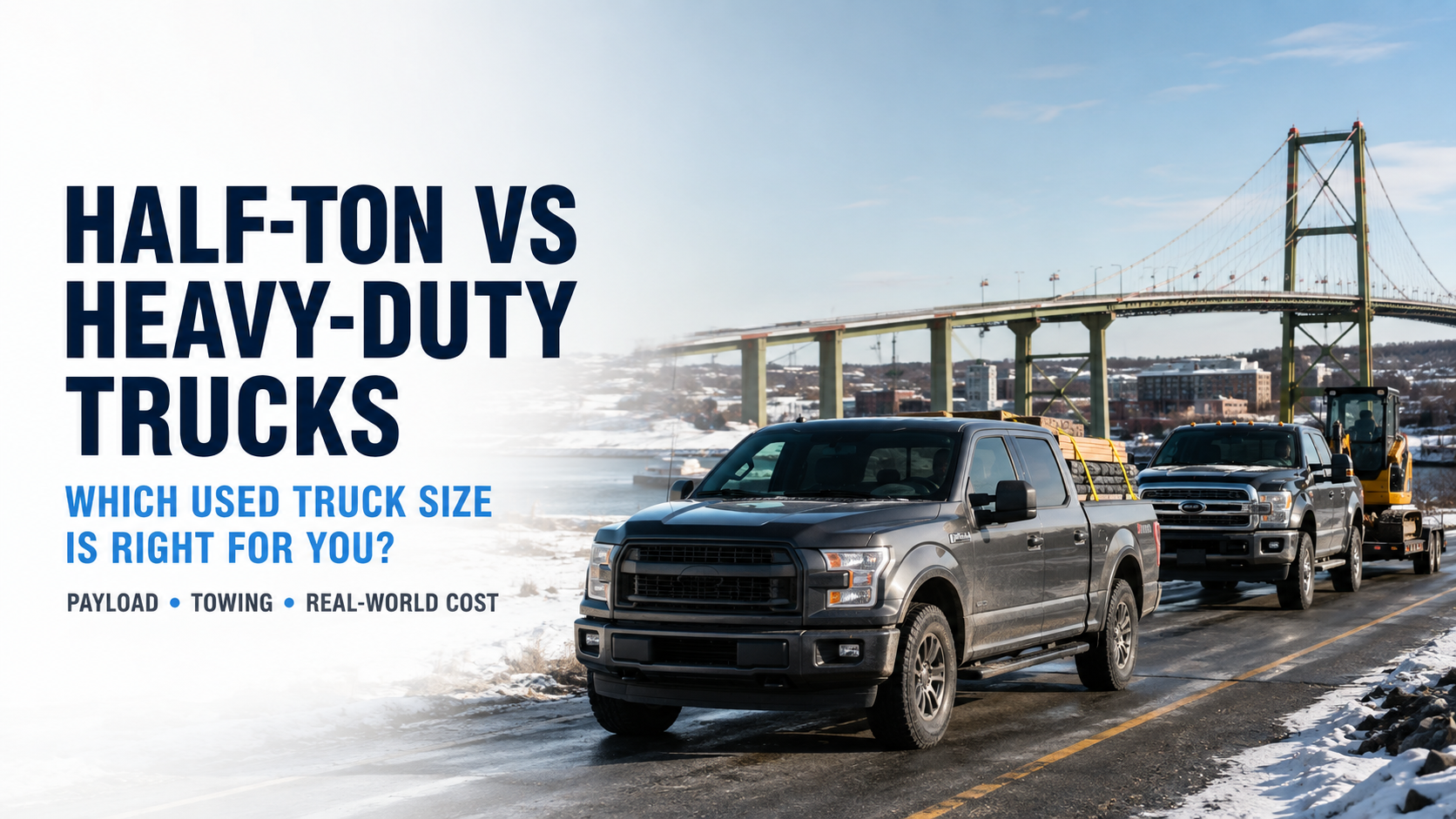
Half-Ton vs Heavy-Duty Used Trucks | Dartmouth NS
Picking the Right Truck Size Is the Biggest Decision You'll Make Most people shopping for a truck start with a brand. Ford or Chevy. Blue or red....
Read more
Weather, roads, costs, and the features that actually matter
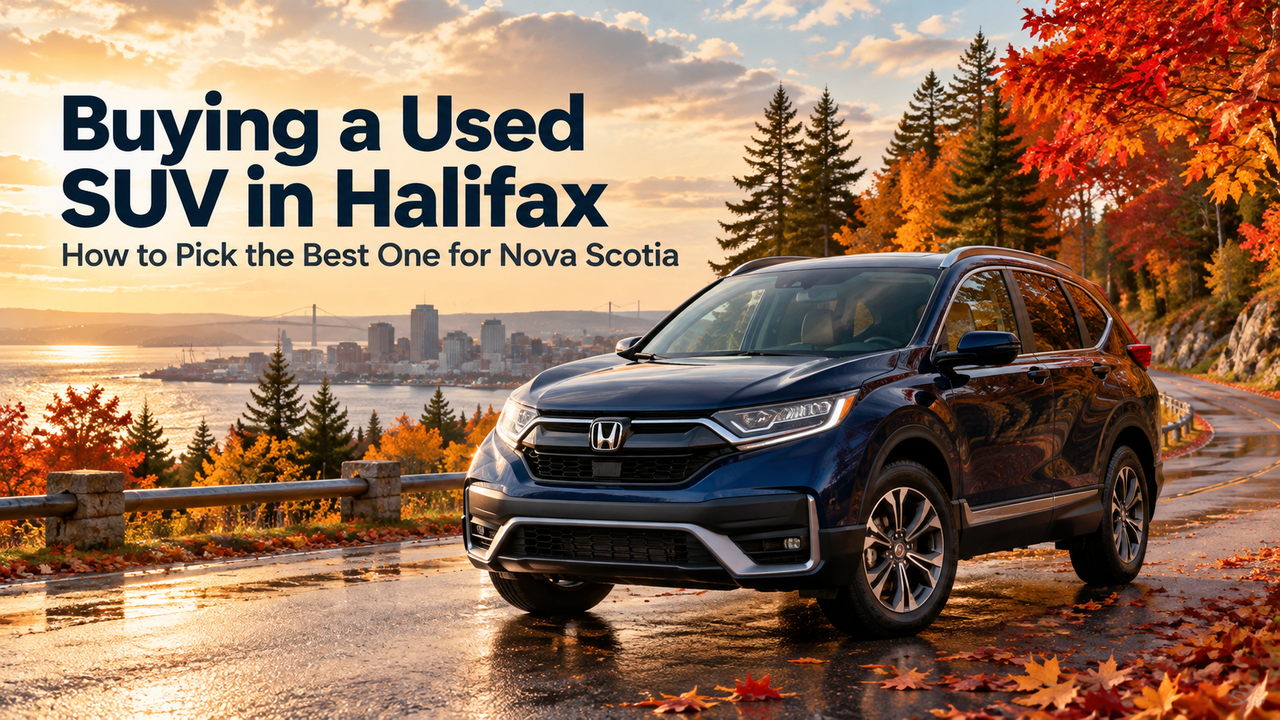
Shopping for a used SUV in Halifax can get confusing quickly. Do you need all-wheel drive, or will front-wheel drive with good winter tires do the job? Is a larger SUV worth the extra fuel and parking hassle? Is a three-row worth it if you only use the third row twice a year? The best choice is not automatically the biggest vehicle or the one with the longest feature list. It is the SUV that fits your daily drive, your passengers, your budget and Nova Scotia weather.
So what's the best used SUV to buy? It depends less on the badge and more on how you drive, but a few models come up again and again with Halifax and Dartmouth buyers. We cover those below, with links to the ones on our lot right now.
This guide walks through how to match an SUV to your actual routine, what to check on a used vehicle in a salt-heavy coastal province, how to budget for the whole cost rather than the payment, and what to expect when it is time to do the paperwork. Start by browsing our current pre-owned SUV inventory, then use the sections below to narrow it down.
Think about the roads you actually use. A driver commuting on Highway 102 has different needs from someone dealing with steep peninsula streets, an unpaved driveway in Fall River or daily parking downtown. Someone crossing a bridge twice a day cares about fuel economy and stop-and-go comfort. Someone in Hammonds Plains or Porters Lake cares more about ground clearance and how the road looks after a storm.
Halifax weather can go from rain to wet snow to freezing in a few hours. Freeze-thaw cycles chew up pavement, and road salt plus coastal moisture make regular cleaning and inspections more important here than in most of the country. An SUV that would be perfectly fine in Ontario can age very differently on this side of the country.
Ask yourself four questions before you look at a single listing:
Those four answers will eliminate half the market before you start.
All-wheel drive is the feature most Halifax shoppers assume they need, and it is genuinely useful. It helps a vehicle get moving on a slippery hill or an unplowed street, and it adds confidence pulling out of a snowy driveway. Our guide to AWD vs. FWD in Nova Scotia gives a useful local comparison of what each system costs to buy and maintain.
What AWD does not do is shorten your braking distance. It helps you go; it does not help you stop or turn. A front-wheel-drive SUV on four proper winter tires will out-brake an all-wheel-drive SUV on worn all-seasons every single time. If your budget forces a choice between AWD and a good set of winters, the winters are usually the better buy.
AWD also adds maintenance. There are extra driveline components, extra fluid changes, and on many systems the four tires need to stay closely matched in tread depth. That is worth knowing before you commit, not after. Our service team can tell you what a specific AWD system needs and roughly what it costs to keep up.
The honest answer for most Halifax drivers: if you have a steep driveway, an unpaved road, an early start before the plows, or you regularly drive outside the city in winter, AWD earns its keep. If you commute on well-maintained main roads and can wait out the worst of a storm, FWD with winter tires is often the smarter spend.
An SUV is not automatically ready for a Halifax winter. Check the condition and type of tires on the exact vehicle you are looking at. Proper winter tires stay flexible in cold temperatures and improve traction, braking and cornering on snow and ice. All-seasons harden as the temperature drops, which is why a capable SUV can still feel nervous in February. If you are not sure what is on the vehicle, compare all-season, all-weather and winter tires before you buy.
Look at tread depth, tire age and whether all four tires match. Tire age matters more than people expect. Rubber hardens over time regardless of tread, and a six-year-old tire with plenty of tread left is not the same as a new one. The date code is stamped on the sidewall. On many AWD vehicles, a big difference in tread depth between axles can also cause drivetrain problems, so a mismatched set is a real cost to factor in.
Budget for tires as part of the purchase, not as a surprise in November. Our Tire Centre can tell you what a set will cost for the specific vehicle you are considering, and you can order tires online ahead of the first storm rather than joining the queue after it. It is worth checking current service specials before you book anything.
SUV is a broad word. It covers everything from a subcompact that parks like a hatchback to a full-size three-row that will not fit in some downtown garages. Getting the size right is the single decision that affects your daily happiness most.
Subcompact and compact SUVs are the easiest to park and usually the cheapest to run, which makes them practical for Halifax and Dartmouth commutes. They handle a family of four, a weekly grocery run and a couple of hockey bags without complaint. Where they struggle is long road trips with four adults and luggage.
Midsize two-row SUVs add real rear-seat and cargo room without the length of a three-row. For a lot of families this is the sweet spot: adults fit comfortably in the back, the cargo area swallows a stroller plus groceries, and the vehicle still fits a normal driveway.
Three-row midsize and full-size SUVs make sense for a growing family, frequent passengers, towing or regular road trips. The trade-offs are real, though: more fuel, pricier tires, more vehicle to park and usually higher maintenance. And on many three-rows, the third row eats almost all the cargo space when it is up, which surprises people.
If you tow or haul more than you carry passengers, compare against the trucks in stock before you commit to an SUV at all. Sometimes a truck is simply the right tool for the job. Working to a firm number? The under $25,000 inventory is the fastest way to see what that budget gets you right now, and the full used inventory covers everything else, including cars.
There is no single best used SUV for everyone, but these are the models Halifax and Dartmouth shoppers ask us about most. Each link below goes to the ones on our lot today in Dartmouth.
The RAV4 is one of the most shopped compact SUVs in Nova Scotia for a reason. It has a strong reputation for reliability, holds its value well and comes with AWD on most trims. The hybrid versions are especially popular with commuters who put a lot of kilometres on every week. The trade-off is price: strong resale means you will pay a bit more for a used RAV4 than for a similar competitor. See used Toyota RAV4s in stock.
The CR-V is the RAV4's closest rival. It is known for a roomy back seat, a big, easy-to-load cargo area and a comfortable ride, which makes it a favourite with young families. Like the RAV4, it keeps its value, so expect to pay for that. See used Honda CR-Vs in stock, or read our Escape vs. CR-V vs. RAV4 comparison if you are stuck between them.
The Tucson is often the best value in the compact class. You usually get more features for the money than a RAV4 or CR-V at the same price, plus modern styling and available AWD. For buyers who want a newer, well-equipped compact SUV without paying the Toyota or Honda premium, it is well worth a look. See used Hyundai Tucsons in stock.
Every Outback comes with all-wheel drive, no hunting for the right trim. It rides higher than a regular car, handles gravel roads and snowy driveways well, and has a long, flat cargo floor that is great for dogs, camping gear and hockey bags. If you live outside the core of the city, it is a natural fit. See used Subaru Outbacks in stock, or read our Subaru pre-owned guide.
The Taos is Volkswagen's compact SUV, sitting below the Tiguan in size and price. It feels roomier inside than its outside size suggests, especially in the back seat and cargo area, and it is easy to park downtown. AWD (4MOTION) is available, so check the specific vehicle if that matters to you. See used Volkswagen Taos in stock.
The Seltos is a small SUV with a surprisingly practical cargo area for its size. It is affordable to buy and run, easy to park, and offers AWD on many trims. It is a strong pick for first-time SUV buyers, commuters and anyone moving up from a small car. See used Kia Seltos in stock.
The Kona is one of the easiest SUVs to live with in the city. It is compact, fuel-friendly and simple to park on tight peninsula streets, with AWD available. Newer versions grew in size, so the back seat and cargo space are more usable than older models. See used Hyundai Konas in stock, or compare it with its smaller sibling in our Kona vs. Venue breakdown.
The Wrangler is in a class of its own. It is built for deep snow, trails and back roads, with real four-wheel drive and serious ground clearance. It also holds its value very well. The trade-offs are a firmer ride, more wind noise and higher fuel use than a regular compact SUV, so it makes the most sense for buyers who will actually use what it is built for. See used Jeep Wranglers in stock.
If you need a third row, families in Halifax usually compare the Toyota Highlander, Honda Pilot, Kia Sorento and Kia Telluride. The Telluride and Sorento give you a lot of space for the price. The Highlander and Pilot are the long-time reliability picks. Before you commit, fold the third row up and check how much cargo room is left. Our Telluride vs. Sorento comparison and our list of the most spacious used SUVs in Halifax are good places to start.
No model is automatically safe or automatically bad. The same model can be a great buy or a headache depending on how it was maintained and how much salt it has seen. Look up open recalls on the VIN, ask for service records, and look underneath. That tells you more than the badge. See all the used SUVs on our lot right now.
This is the section most generic buying guides skip, and it matters more here than almost anywhere. Between road salt in winter and salt air year round, Nova Scotia is hard on vehicles. A used SUV that spent its life here needs a closer look underneath than one that came from a drier province, and a vehicle that came from somewhere drier may be in better shape than its age suggests.
When you inspect a vehicle, get low and look at the frame rails, subframe, suspension mounts, brake and fuel lines, exhaust, and the seams where body panels meet. Light surface rust on suspension components is normal and generally not a problem. What you are looking for is flaking, bubbling or scaling (rust that has layers to it), especially anywhere structural or near brake lines.
Check the visible body areas too: rocker panels, wheel arches, the bottoms of the doors and the tailgate seam. Bubbling under the paint means rust is working outward from underneath and will keep going. Ask whether the vehicle has ever had rust repair, and ask whether it came from out of province.
Prevention is cheap compared to repair. Washing road salt off the body and undercarriage through the winter genuinely extends the life of the vehicle, and an annual oil-based rust treatment is worth considering on anything you plan to keep. Our detailing offers sometimes cover undercarriage cleaning, which is a reasonable place to start.
Two SUVs of the same year and model can have completely different histories. One was highway-driven and dealer-serviced; the other did short cold starts in a coastal town and skipped oil changes. The badge tells you almost nothing. The specific vehicle tells you everything.
Check the body, underbody, interior, brakes, tires, glass, lights and any visible fluid leaks. Inside, look at the carpets and cargo area for dampness or a musty smell, which can point to a leak. Test every button. Ask about service records, previous use, accident history and repairs that may be coming due. Mileage is useful context, but a well-maintained higher-mileage SUV often beats a neglected low-mileage one.
Bring a written list of questions. It is much easier than trying to remember on the lot. Our article on the 10 questions to ask when buying a used vehicle is a solid starting point. If warranty coverage matters to you, read the guide to vehicle warranties in Nova Scotia and confirm exactly what applies to the SUV in front of you rather than what applies to the model generally.
You can also request a price quote on any unit to get the numbers in writing before you visit, which makes comparing two or three vehicles much easier.
A quick lap around the block will not tell you enough. Plan a route that looks like your actual week. That usually means some stop-and-go city driving, a stretch at highway speed, and at least one hill and one tight parking situation.
On the drive, pay attention to forward and rear visibility, mirror coverage, seat comfort after fifteen minutes rather than two, cabin noise at speed, steering feel, braking, and how easily you can judge where the corners of the vehicle are. Listen with the radio off. Clunks over bumps, a vibration that appears at a specific speed, or a pull under braking are all worth asking about.
Test parking and reversing properly, especially if you use a tight driveway or a downtown parking garage. Make sure the cargo opening works for strollers, hockey bags, groceries or work gear. Measure if you have something specific in mind. Sit in the back seats yourself and check child-seat access if that matters to your family.
Test the heat, defrost, wipers, heated seats, heated steering wheel, cameras and any driver-assistance systems on that vehicle. Equipment varies by trim and by individual unit, so verify instead of assuming. If you are shopping in summer, still run the heat and defrost. It is much cheaper to find a problem now.
The monthly payment is one part of the cost, and focusing on it alone is how people end up with a vehicle they cannot comfortably run. Build a budget that covers insurance, registration, fuel, routine service, tires and a repair reserve.
A few things that catch people out: bigger wheels and performance tires cost noticeably more to replace, AWD systems add maintenance items, a larger engine burns more fuel in city driving than the highway rating suggests, and insurance can vary a lot between two SUVs that cost the same to buy. Get an insurance quote before you commit, not after. Our guide to budgeting beyond the sticker price walks through the full picture.
Set aside a repair reserve too, especially on an older or higher-mileage SUV. Something in the range of a few hundred dollars a year for an out-of-warranty vehicle is realistic, and having it set aside turns a stressful surprise into an inconvenience.
If you plan to finance, start with our overview of used-vehicle financing options in Halifax, then talk to our financing department about what fits your situation. Compare the interest rate, term, payment schedule and total borrowing cost, not just the payment amount. A longer term lowers the payment and raises what you pay overall.
If your credit has taken a hit, MetroCredit is our second-chance financing program and often opens up options people assume are closed to them. You can start a financing application online and have an answer before you come in.
Already own a vehicle? Request a trade-in evaluation so you can see how its value changes the math. Trading in also simplifies the paperwork, since you are not trying to sell privately and buy at the same time.
Finally, check the current special offers before you finalize anything. A promotion on service or detailing can shift your first-year costs more than you would expect.
In Nova Scotia, a vehicle needs a valid Motor Vehicle Inspection when it changes hands, and there are timing rules around when that inspection has to happen relative to the sale. When you buy from a dealership, this is normally handled as part of the transaction rather than something you chase afterward. Confirm it anyway, and confirm the date on the certificate.
Beyond the MVI, ask what is included: how many keys come with the vehicle, whether there are outstanding recalls, what reconditioning was done, what warranty or protection applies, and what the next scheduled service is. Get the answers before you sign, and get the important ones in writing.
Ask for the vehicle history report and read it yourself rather than taking a summary. Look for accident entries, registration gaps, out-of-province history and whether the service entries line up with the odometer. Our guide to what you will find on a CARFAX in Canada explains each section. If something on the report does not match what you were told, ask about it directly. There is often a reasonable explanation, and if there is not, that is exactly what you want to find out now.
Every pre-owned SUV needs regular care. Follow the manufacturer's maintenance schedule and adjust for the vehicle's age, mileage, history and how you use it. Short trips and cold starts are harder on an engine than steady highway kilometres, and a lot of Halifax driving is exactly that.
Halifax drivers should pay extra attention to tires, brakes, wipers, battery condition, fluids and corrosion. Batteries fail in the first hard cold snap, wipers are worth replacing before you need them, and brakes wear faster in a salt environment than the manual assumes.
Carson Exports provides service and parts and accessories right here in Dartmouth, and you can order parts online if you know what you need. Before you buy, ask what maintenance is due next and build it into your first-year budget. When the time comes, you can book a service appointment online.
For most Halifax drivers, a well-maintained compact like the Toyota RAV4, Honda CR-V or Hyundai Tucson is the safest bet. They are reliable, easy to park and reasonable to run. If you want AWD on every trim, the Subaru Outback is a strong pick. Families needing a third row usually look at the Highlander, Pilot, Sorento or Telluride. The best one is the one with a clean history and a solid underside, so check the specific vehicle, not just the model.
Not always. If you have a steep or unpaved driveway, leave before the plows, or drive outside the city in winter, AWD is genuinely useful. If you commute on main roads, FWD with four winter tires handles most Halifax winters well and costs less to buy and maintain.
Yes. AWD helps you accelerate; tires are what let you stop and turn. Winter tires on any drivetrain outperform all-seasons in cold weather, and the difference in braking distance on ice is large.
Plan for insurance, registration, fuel, routine service, a tire set and a repair reserve. The budgeting guide breaks this down in detail for Nova Scotia.
No. Maintenance history and condition matter more than the odometer. A well-serviced higher-mileage SUV is often a better buy than a neglected low-mileage one.
Look underneath at the frame, subframe, suspension mounts and brake lines, and check rocker panels, wheel arches and door bottoms. Light surface rust is normal; flaking, scaling or bubbling under paint is not.
Often, yes. MetroCredit is a second-chance financing program built for exactly that situation. You can apply online to find out where you stand before visiting.
You can request a trade-in evaluation and apply its value to your purchase, which keeps the whole transaction in one place.
The best used SUV for Halifax is the one that fits your real routine. Match the vehicle to your roads, your winter schedule, your family, your cargo, your parking and your total budget. Then inspect it properly, look underneath, take a real test drive and read the paperwork before you sign. Do those things and the rest tends to take care of itself.
Browse the used SUVs we have in stock now to see which of the best used SUVs to buy are on our lot in Dartmouth.
You can also learn more about Carson Exports, meet our team, read recent customer reviews or browse more tips on our news page.
Ready for the next step? Request a price quote, get your trade-in value, apply for financing or book a service appointment.
You can also send us a message or call 1-833-706-3093. Come see us at 550 Windmill Road in Dartmouth, and we will help you compare SUVs in person.
Half-Ton vs Heavy-Duty Used Trucks | Dartmouth NS
Picking the Right Truck Size Is the Biggest Decision You'll Make Most people shopping for a truck start with a brand. Ford or Chevy. Blue or red....
Read more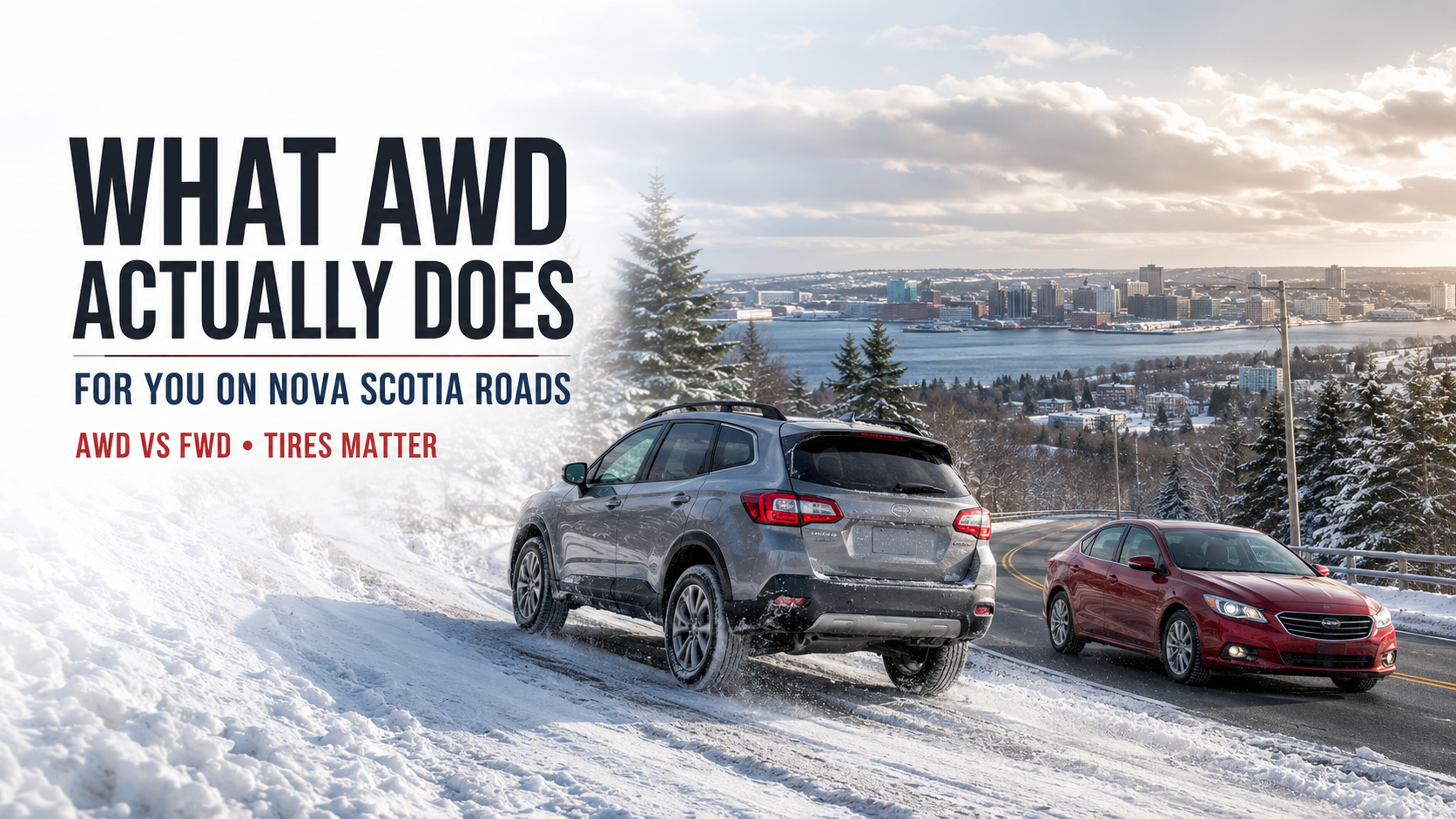
AWD vs FWD in Nova Scotia: Which Used Vehicle Wins?
What All-Wheel Drive Actually Does for You on Nova Scotia Roads Ask ten people in HRM what you need to survive a Nova Scotia winter and at least...
Read more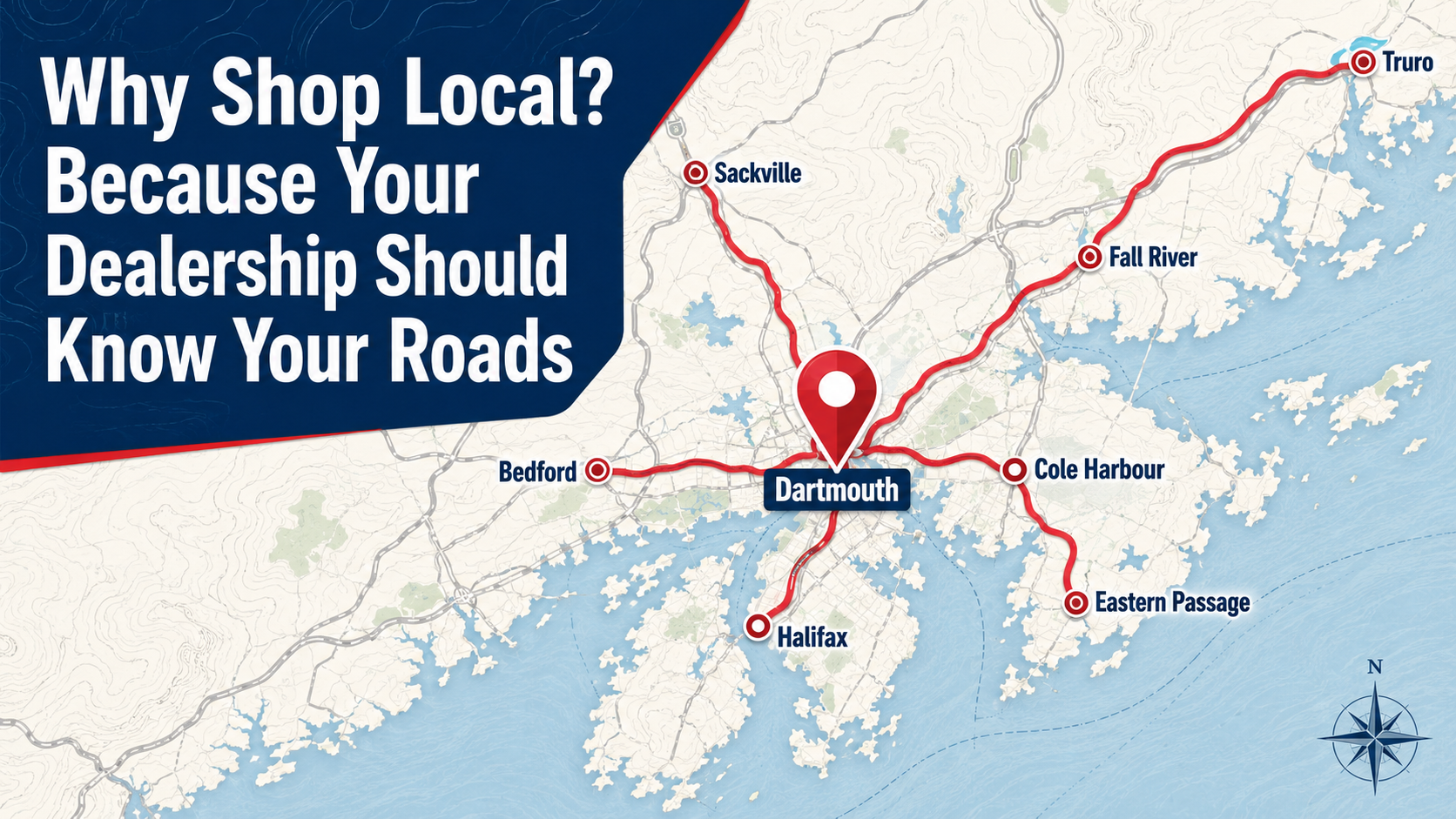
Why Shop Local? Because Your Dealership Should Know Your Roads
Why Shop Local? Because Your Dealership Should Know Your Roads There's something different about buying from a dealership that's actually part of...
Read morePowered and developed by
