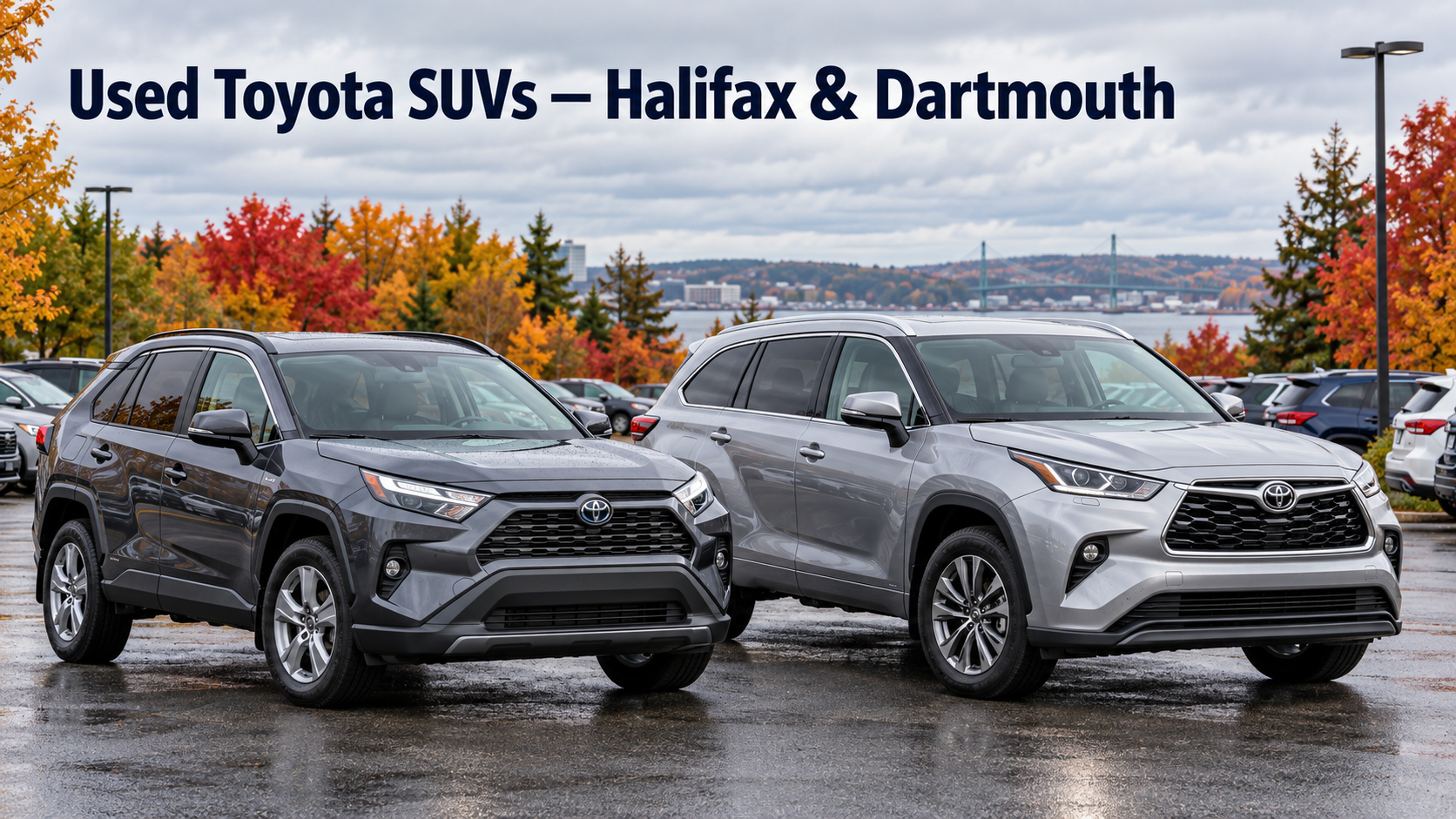
Used Toyota SUVs in Halifax: RAV4, Highlander, Corolla Cross or 4Runner?
They start in the cold, they handle our hills and snowbanks, and they hold their value when it's time to trade. The hard part isn't deciding on...
Read more
Are you looking forward to a hassle-free car purchase? In that case, you have no reason to look beyond Carson Exports. Our highly enthusiastic sales experts will help you navigate through our new and used vehicles inventory, helping you settle on the ride of your choice. This exemplary customer service has transformed us to become the preferred luxury dealership in Dartmouth, Nova Scotia, and the surrounding areas of Halifax, Moncton, Charlottetown, and Sydney. At Carson Exports, we sell cars and offer automotive advice to ensure that you get the most out of your vehicle.
Beyond saving you dollars at the pump, cars that consume less fuel over a given distance help reduce your carbon blueprint and reduces overdependence on oil. Again, when we burn less fuel, it increases the energy sustainability of non-renewable sources, such as oil.
Having seen the importance of fuel efficiency in vehicles, you might wonder how you can amp up your fuel efficiency during winter. But why special attention to winter? You see, winter poses unique driving challenges that increase fuel inefficiency because of the following reasons:
• Tire pressure decreases in freezing temperatures. As a result, road resistance increases, leading to increased fuel mileage.
• The engine requires more time to reach fuel-efficient optimal temperature.
• Aerodynamics is affected by cold air, which causes drag, especially at high speeds.
• Features like heated seats, heated fans, and the defroster are likely to be used during the cold season, increasing fuel inefficiency.
Fortunately, despite the above winter challenges, you can deploy various driving practices to boost fuel economy. To that end, below are tips you can try to get better consumption during winter.
Typically, vehicles take longer to warm up during winter than in summer. As such, driving for short distances contributes to poor fuel economy as most travel time is spent warming up the engine. If you must travel short distances, consider combining trips to drive less with a cold engine.
Incorrectly inflated tires contribute to poor fuel economy. Particularly, underinflated tires increase road resistance, increasing fuel consumption.
Idling your engine for long, especially in cold weather, increases fuel consumption. Most automotive manufacturers advise drivers to drive gently for about 30 seconds. This way, the engine warms up faster, resulting in improved fuel economy and reduced emissions.
Other measures you can take to reduce fuel consumption in winter include:
• Reducing the unnecessary use of seat warmers and defrosters
• Using the recommended oil for driving in cold weather.
• Removing accessories like roof racks that increase resistance.
If you are looking for more winter driving tips, please don't shy from contacting us for more information. And whether your vehicle needs regular maintenance or something serious like repairs, you can count on us. Please Service Appointment through our Service Center, and your vehicle will hit the road again soon.
Used Toyota SUVs in Halifax: RAV4, Highlander, Corolla Cross or 4Runner?
They start in the cold, they handle our hills and snowbanks, and they hold their value when it's time to trade. The hard part isn't deciding on...
Read more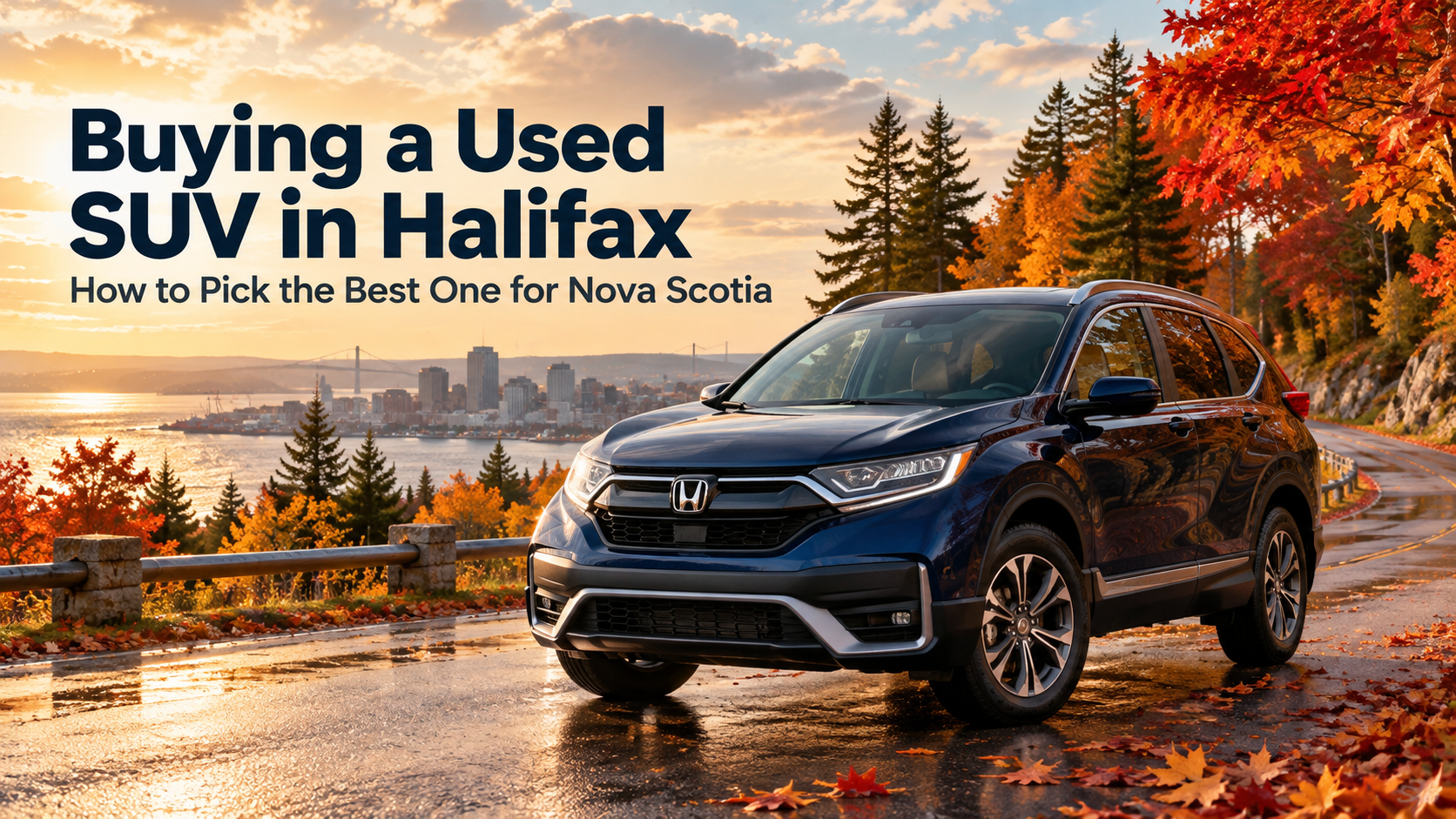
Buying a Used SUV in Halifax: How to Pick the Best One for Nova Scotia
Shopping for a used SUV in Halifax can get confusing quickly. Do you need all-wheel drive, or will front-wheel drive with good winter tires do the...
Read more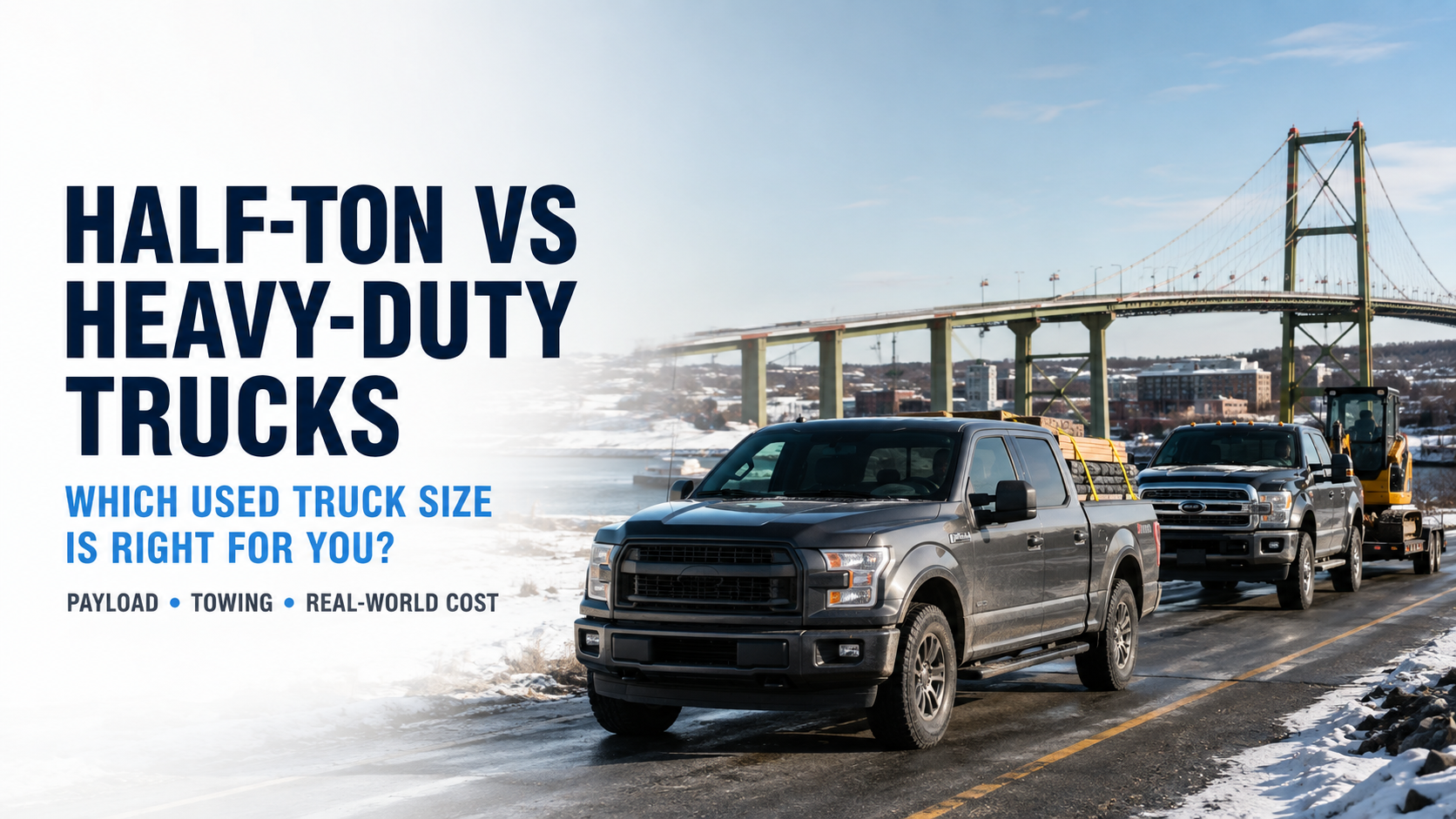
Half-Ton vs Heavy-Duty Used Trucks | Dartmouth NS
Picking the Right Truck Size Is the Biggest Decision You'll Make Most people shopping for a truck start with a brand. Ford or Chevy. Blue or red....
Read morePowered and developed by
